 (813) 404-0398


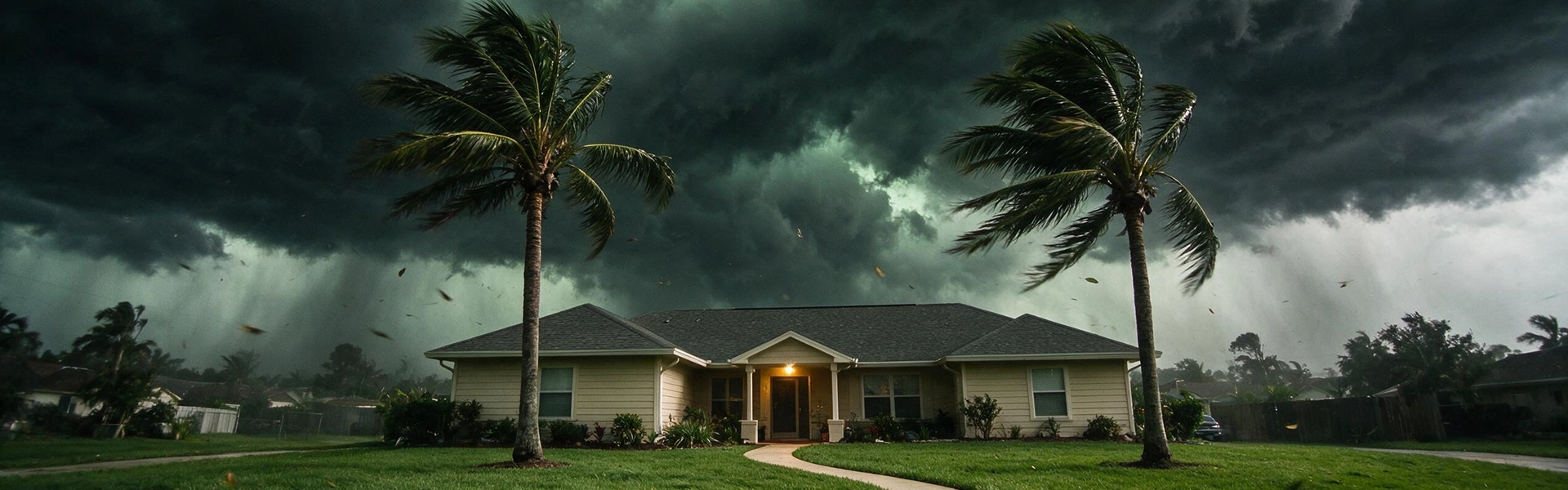
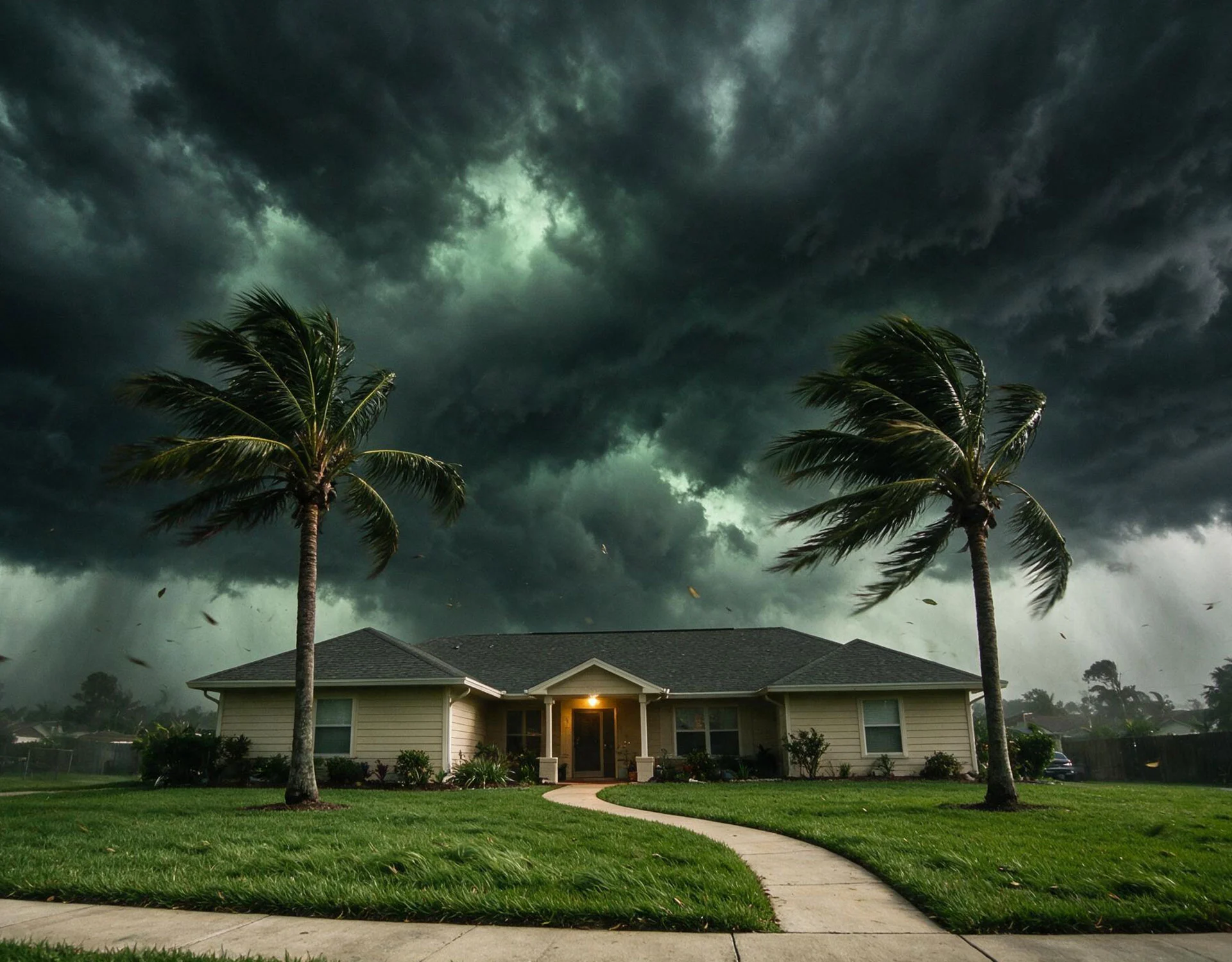
Tampa Bay's water restrictions are still in effect, with the region remaining under a Stage III Extreme Water Supply Shortage... but don't let the dry spell fool you. Peak hurricane season means a single storm can dump tons of rain overnight, and that first big soak after weeks of dry weather is exactly when two of August's most disruptive pests show up: fall armyworms and fire ants. Here's what to watch for this month.
Fall Armyworms: The Overnight Lawn Wrecker
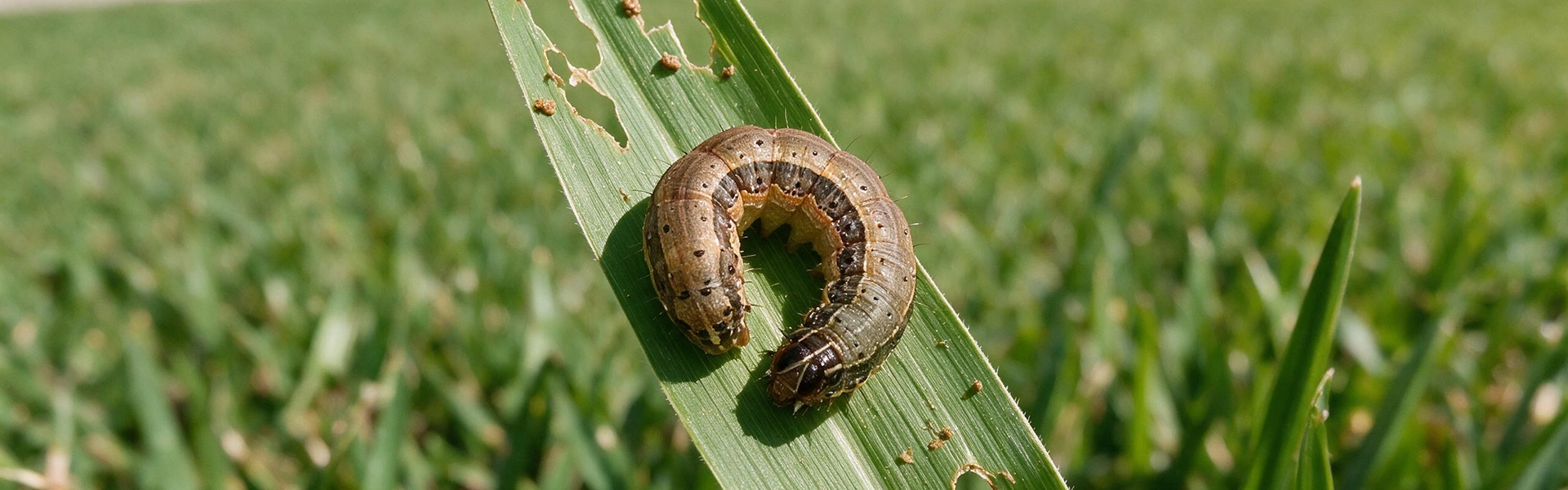
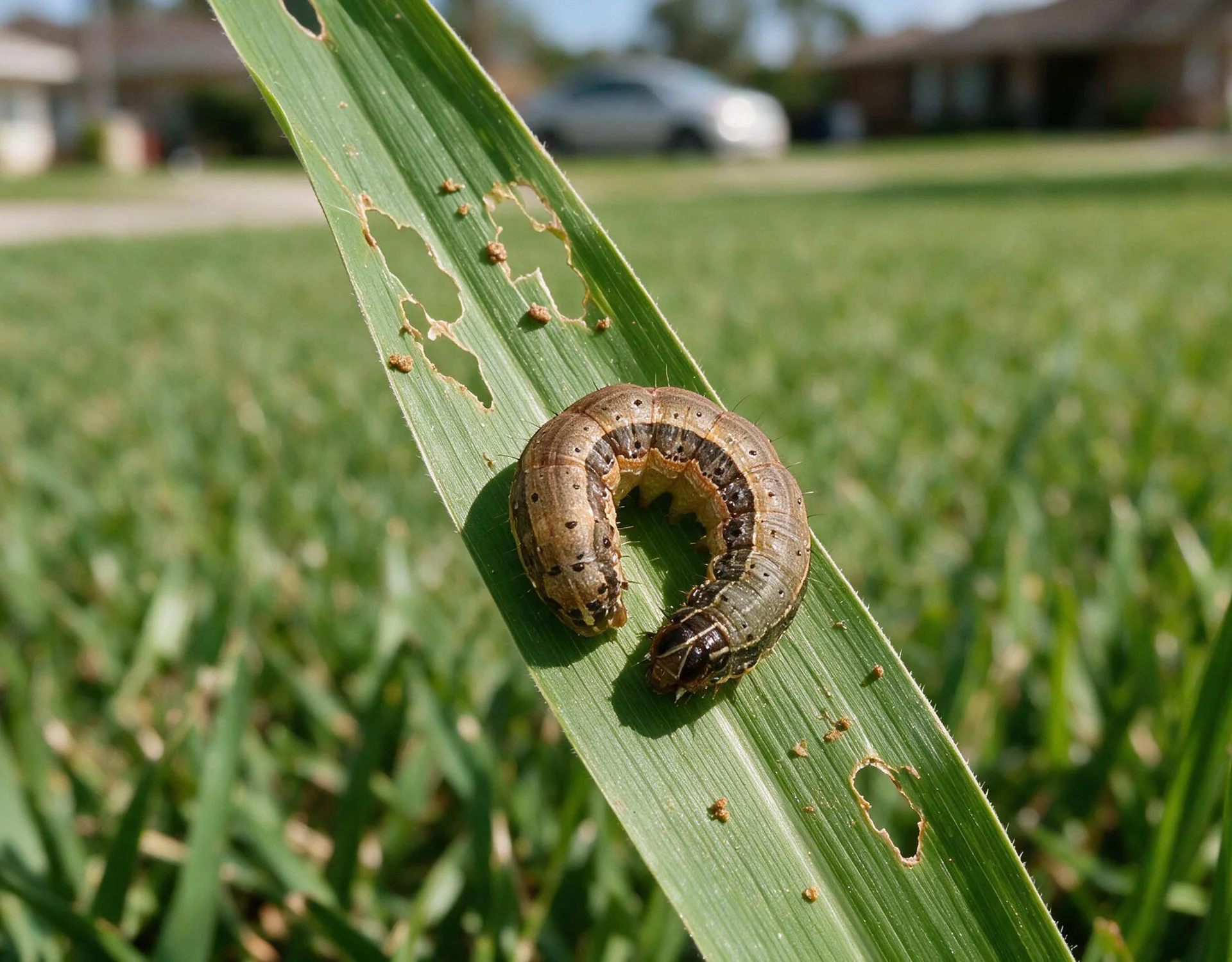
Don't let the name fool you. Fall armyworms show up in Florida well before fall, and August is prime time. These caterpillars feed mostly in the early morning and evening, moving across a lawn in large numbers and stripping grass blades down to bare patches in just a day or two. New sod and lawns that were heavily fertilized this summer are especially at risk, since armyworms are drawn to lush, tender growth.
Signs to look for:
- Uniform bare or thinning patches spreading quickly across the lawn
- Dark brown to green caterpillars up to 1.5 inches long with a light, upside-down "Y" mark on the head
- Small brown moths with white-tipped wings gathering near porch lights at night
Pro Tips:
- Do the soap flush test: 1 tablespoon dish soap per gallon of water poured over a suspicious patch brings caterpillars to the surface within minutes
- Check your lawn at dusk or dawn, when armyworms are actively feeding and easiest to spot
- Avoid heavy late-summer fertilizing. The tender new growth is exactly what draws armyworms in
We know it's been a tough season for Tampa Bay lawns. First-time customers: we're still honoring a free irrigation inspection with any new service, plus a free comprehensive mosquito treatment... no strings attached! Reach out to schedule either one.
Fire Ants: Mounds Multiply After Every Storm
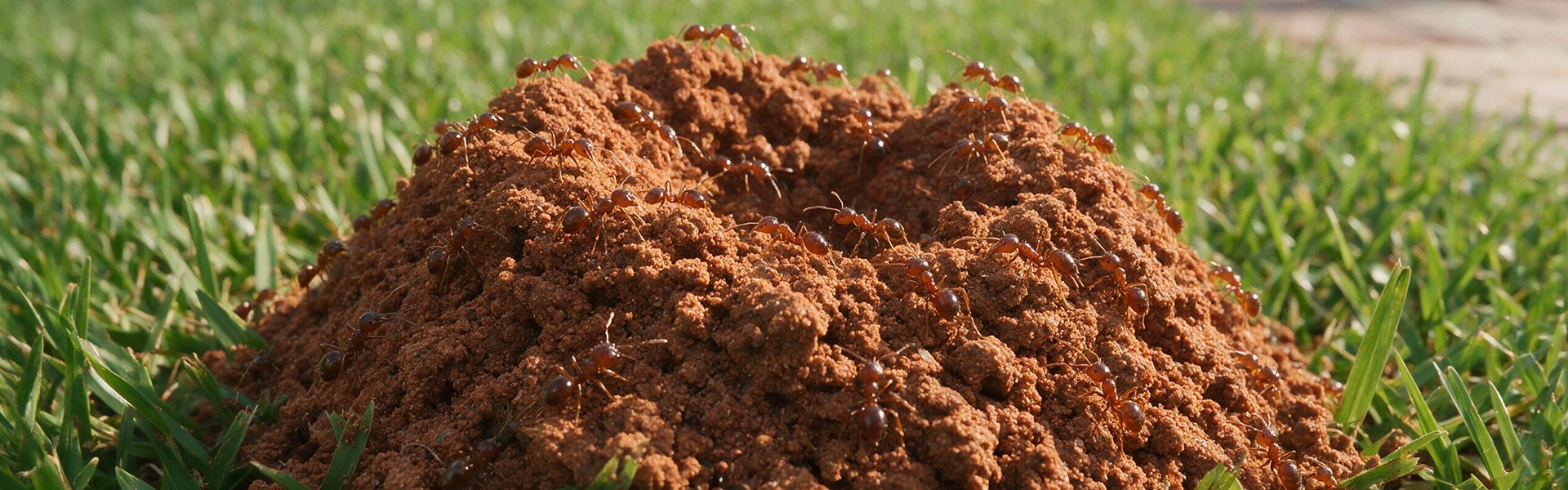
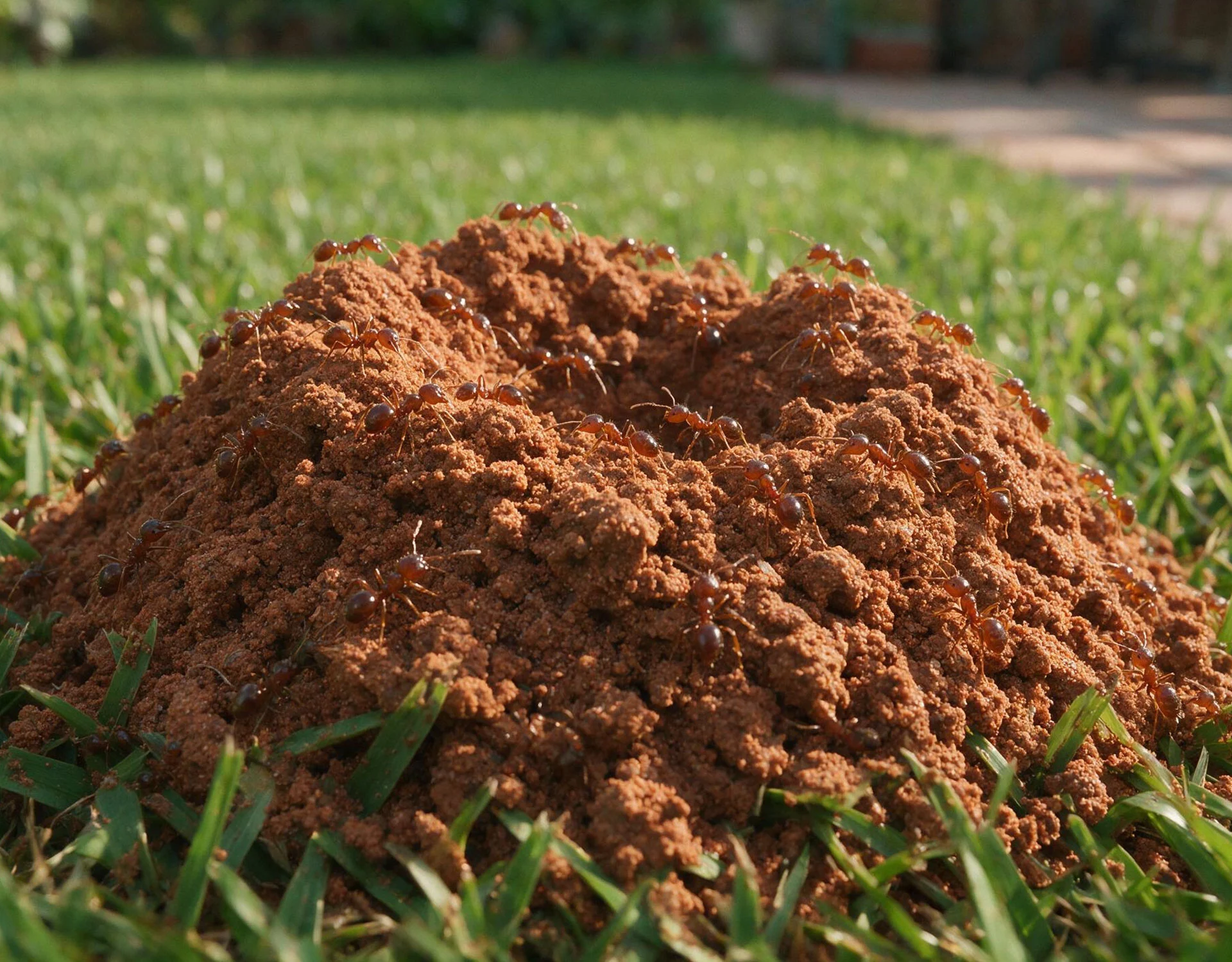
Fire ants are a year-round nuisance in Tampa Bay, but hurricane season gives them a boost. A jump in soil moisture after a heavy rain pushes colonies to rebuild and push soil upward, so mounds that weren't there last week can seem to appear overnight after a storm rolls through. In Florida's sandy soil, mounds can be low and easy to miss until someone, or a pet, finds one the hard way.
Signs to look for:
- Loose, mounded soil (often without an obvious opening) appearing within a day or two of rain
- Mounds clustered near patios, driveways, playsets, or yard edges
- Ants swarming rapidly to the surface the moment a mound is disturbed
Pro Tips:
- Check the yard after every rain event. New mounds pop up fastest in the 24–48 hours following a storm
- Keep kids and pets away from active mounds, and check play areas before letting them outside after rain
- Skip the DIY drench-and-pour method. It often just relocates the colony instead of eliminating it
Don't Let August Surprises Take Over Your Lawn
Between lingering drought restrictions and the unpredictability of hurricane season, August keeps Tampa Bay lawns on their toes. SOS Turf & Pest helps homeowners from Tampa to Parrish to Lakewood Ranch spot problems early and treat them before they spread.

Comments (0)
Thanks for your comment!
Thanks for your feedback! Your comments have been successfully submitted! Please note, all comments require admin approval prior to display.
Error submitting comment!
There is a problem with your comment, please see below and try again.