(813) 404-0398

Lawn Care Blog
Read about helpful tips and information about our lawn care and pest control services.
Read about helpful tips and information about our lawn care and pest control services.
? Quick Answer: October is Tampa Bay's winter prep window. The summer fertilizer ban ended September 30, so feed your lawn now with a slow-release, low-phosphorus fertilizer, watch for large patch fungus as temperatures drop below 80°F, and seal up gaps before roof rats move into your attic. Water restrictions remain in effect through March 31, 2027.
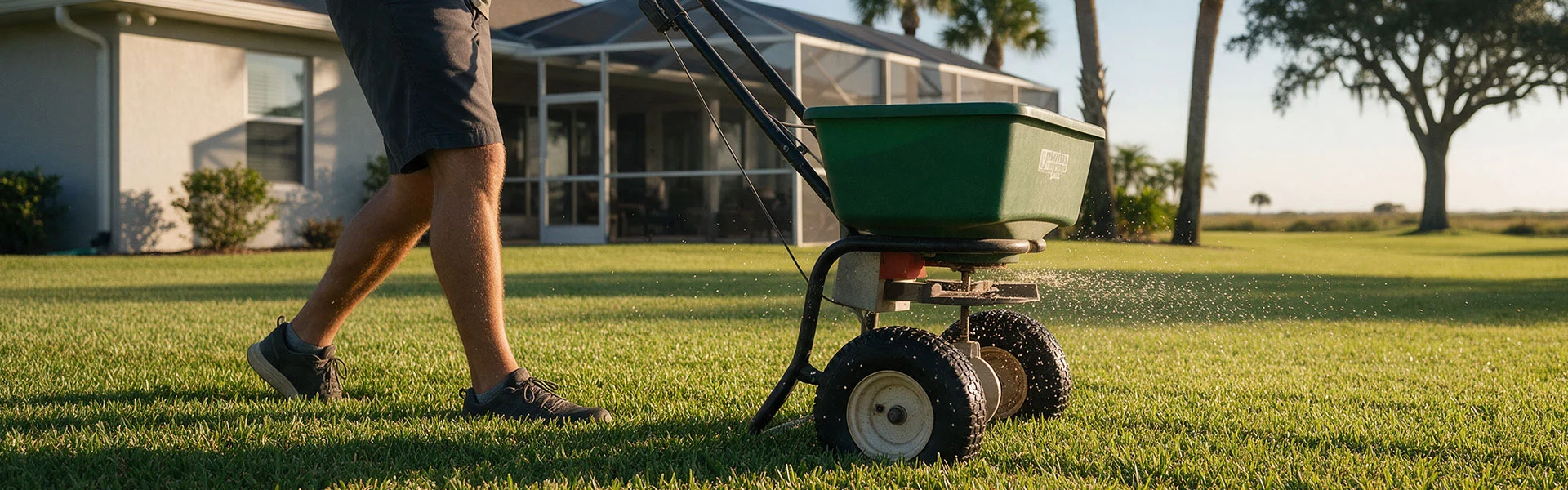
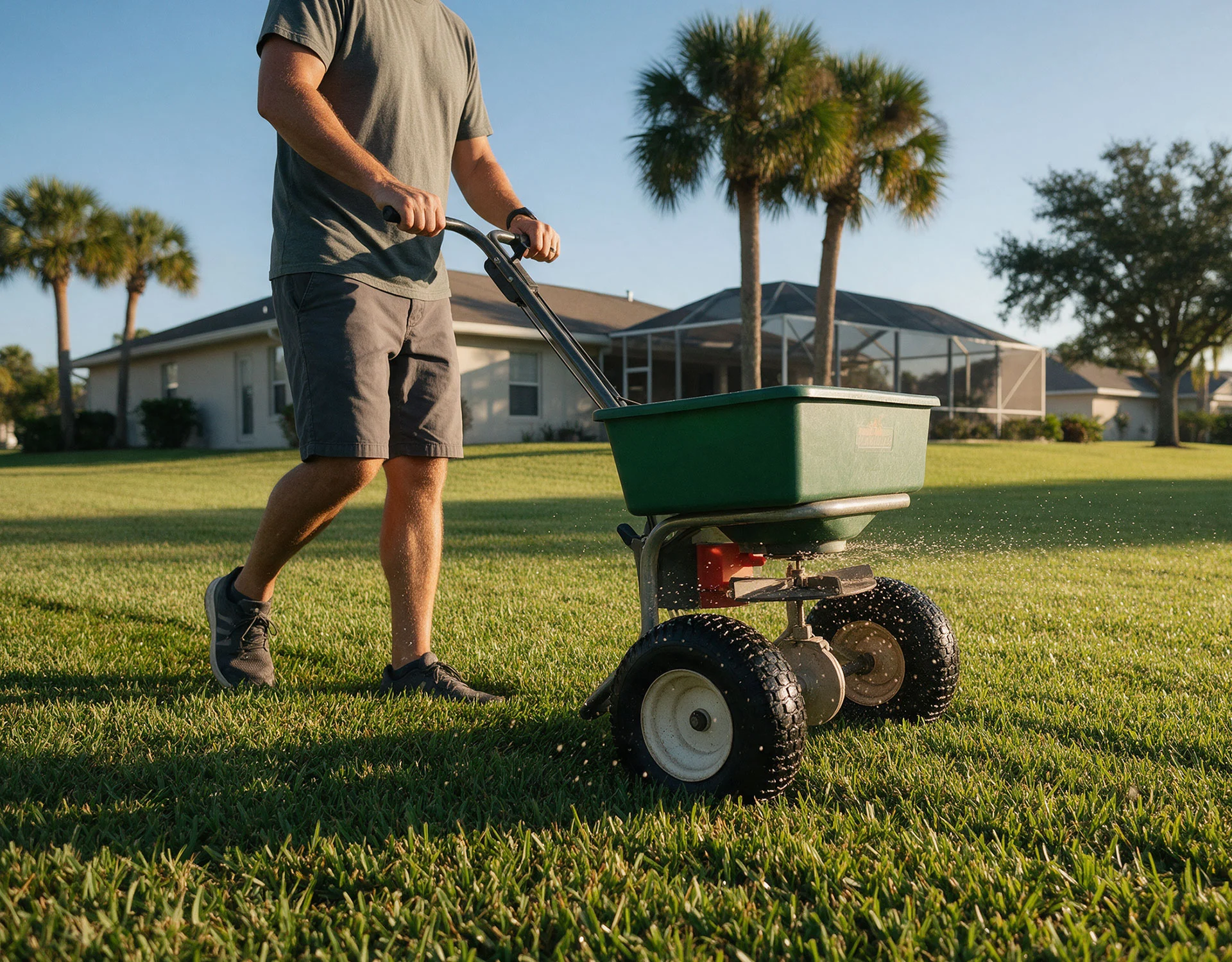
Florida winters are mild, but what you do for your lawn in October shapes how it looks come spring. Summer fertilizer restrictions in Hillsborough and Pinellas counties ended September 30; cooler nights are on the way, and the Southwest Florida Water Management District has extended its Modified Phase III Water Shortage through March 31, 2027. Here's how to get your lawn and your home ready for winter!
Yes, October is the window. Nitrogen and phosphorus fertilizers have been off-limits since June 1, and a fall feeding helps your grass recover from summer and store energy...
Quick Answer: Early September thunderstorms are fueling two problems for lawns across The Bay: Pythium root rot and a mosquito surge. Keep drainage areas clear, and dump out standing water every few days. Remember!... Hillsborough and Pinellas counties remain under a Modified Phase III water shortage through October 1, regardless of rain. Continue being diligent and responsible with your water usage when watering your lawn.
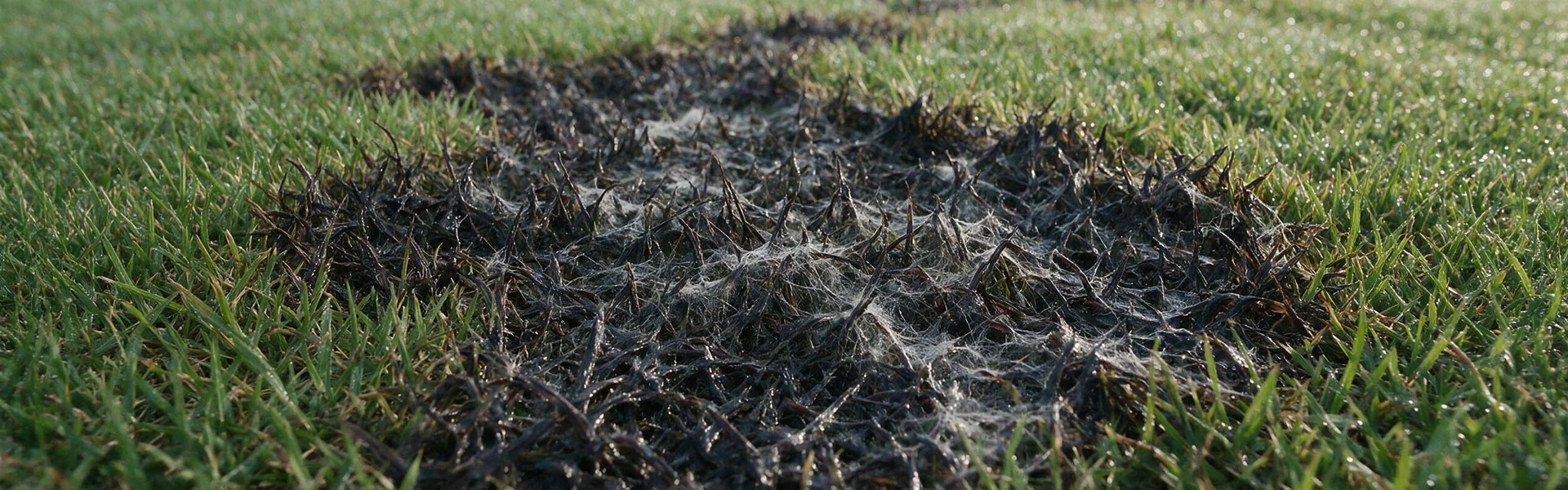
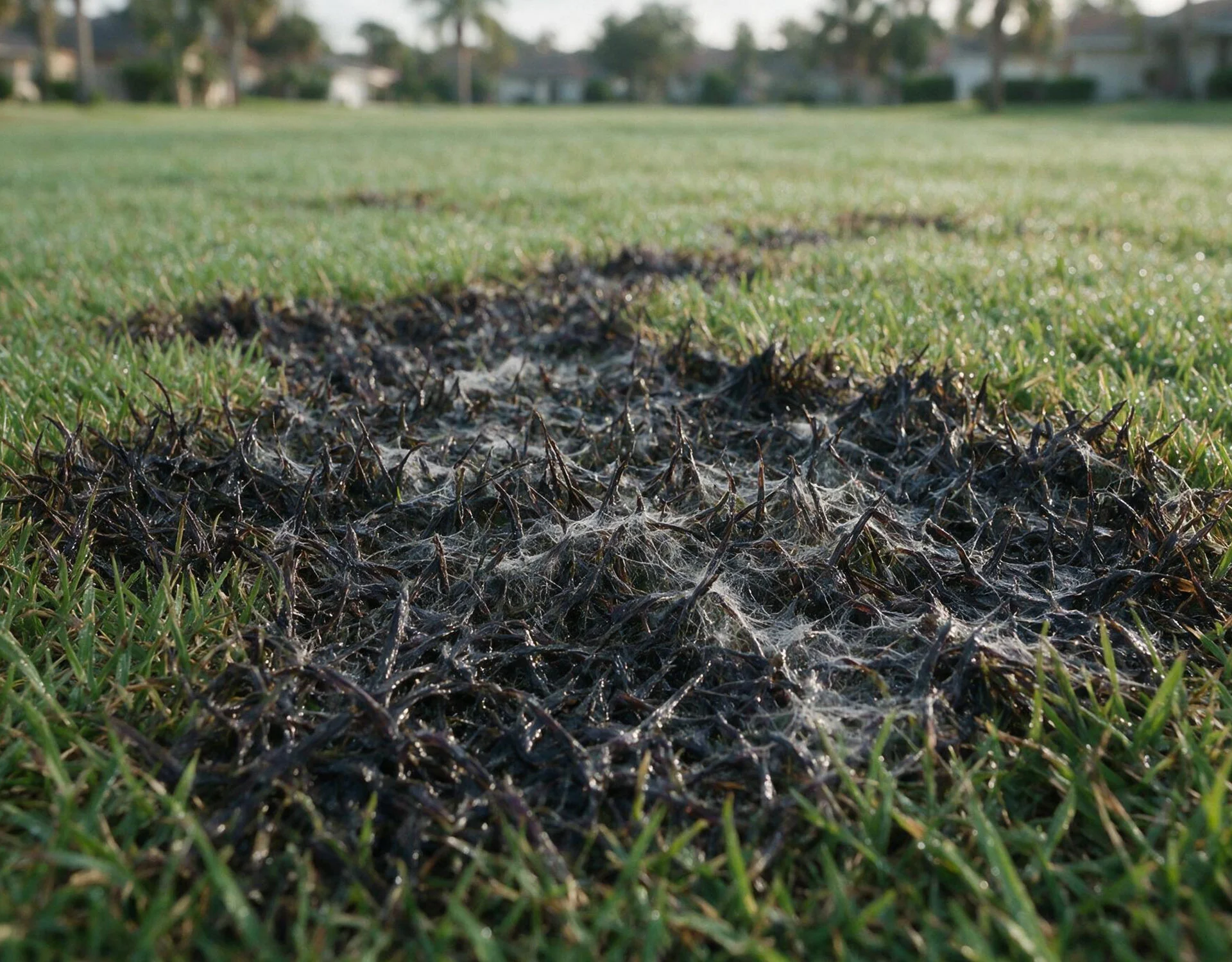
The Bay's rain is showing up in full force! With remnants of Tropical Storm Dolly pumping tropical moisture across the region right as hurricane season heads into its seasonal peak. It may seem like the drought is coming to a close, but don't mistake a wet week for drought relief: Hillsborough and Pinellas counties remain under a Modified Phase III Extreme Water Shortage through October 1, and in truth, it takes much longer sustained precipitation to replenish our area's water reservoirs... What the rain is doing, however, is fueling two problems worth watching in your yard right now.
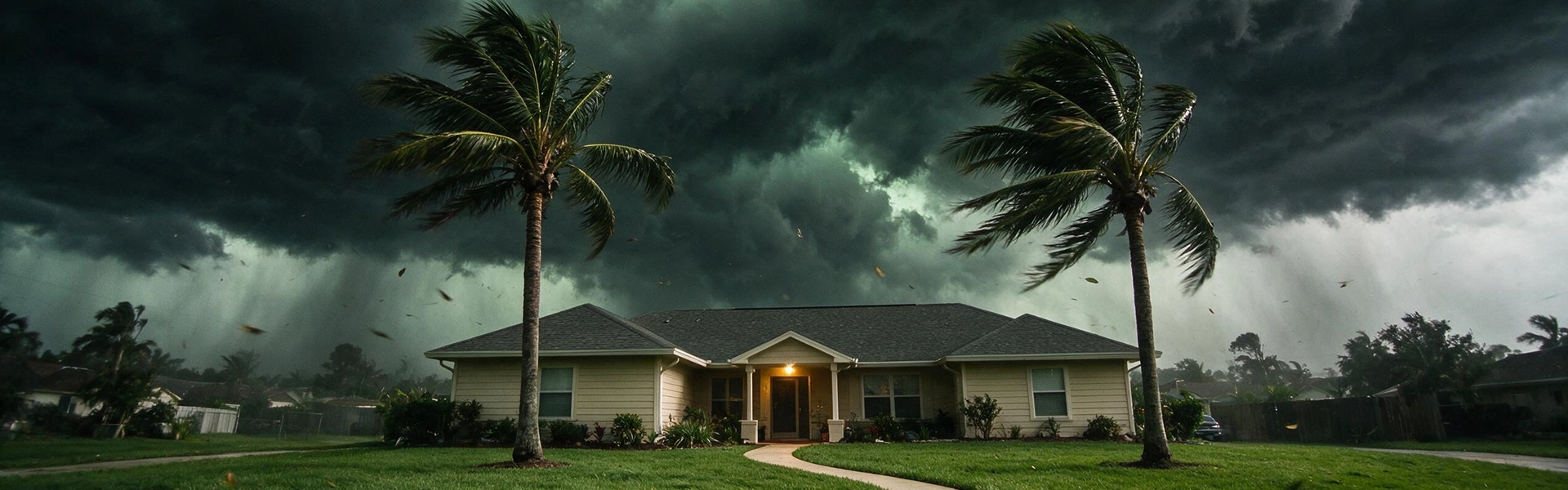
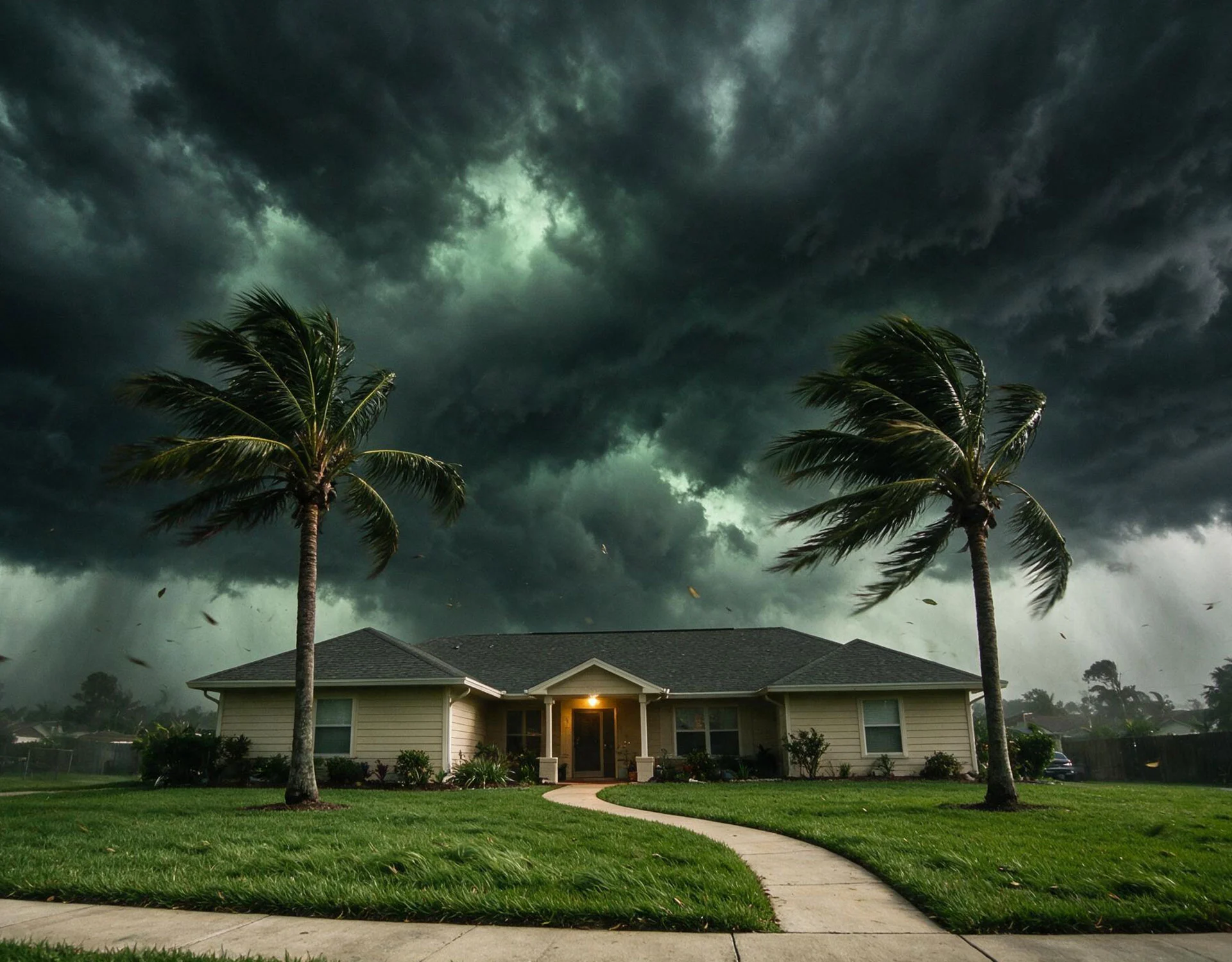
Tampa Bay's water restrictions are still in effect, with the region remaining under a Stage III Extreme Water Supply Shortage... but don't let the dry spell fool you. Peak hurricane season means a single storm can dump tons of rain overnight, and that first big soak after weeks of dry weather is exactly when two of August's most disruptive pests show up: fall armyworms and fire ants. Here's what to watch for this month.
Don't let the name fool you. Fall armyworms show up in Florida well before fall, and August is prime time. These caterpillars feed mostly in the early morning and evening, moving across a lawn in large numbers and stripping grass blades down to bare patches in just a day or two. New sod and lawns that were heavily fertilized this summer are especially at risk, since armyworms are drawn to lush, tender growth.
Signs to look for:
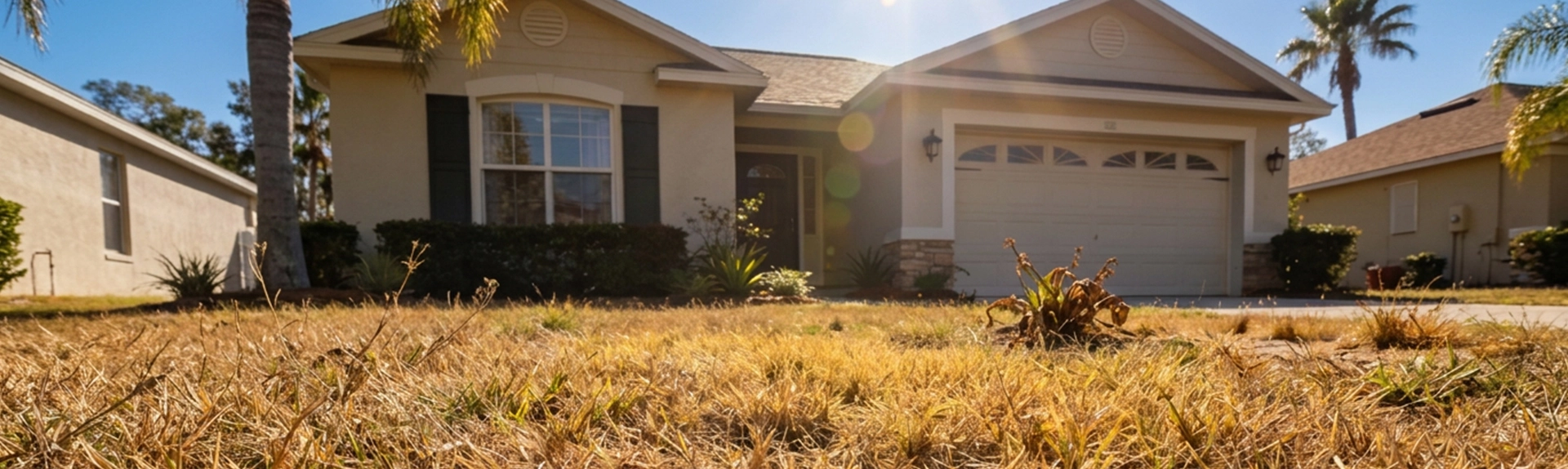
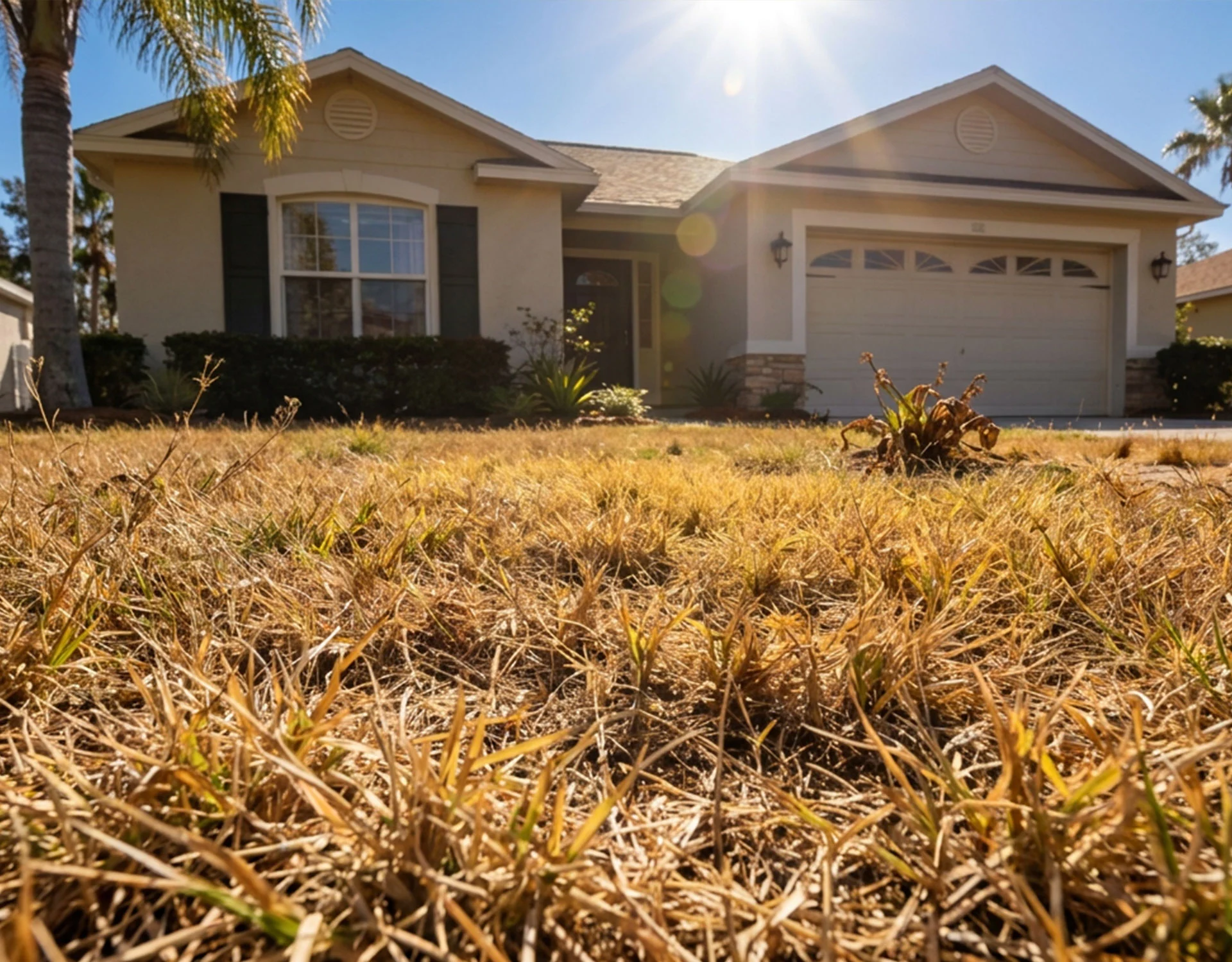
Tampa Bay is officially in an extreme water shortage... and if your lawn is looking rough right now, you're not alone. Water restrictions are in place for the remainder of the summer, and most lawns across the region are under real stress. The good news: with the right irrigation adjustments, most lawns can get through July in good shape. There's also one other thing worth knowing, which we'll cover below.
With Tampa Bay under a Modified Phase III Extreme Water Shortage through October 1, your irrigation system is doing more work than ever... and with water restrictions in place, every drop needs to count. The problem is that many irrigation systems aren't dialed in to meet your lawn's needs under drought conditions, and uneven coverage or poor timing can make stressed turf look far worse than it needs to.
Signs to look for:
Pro Tips:
...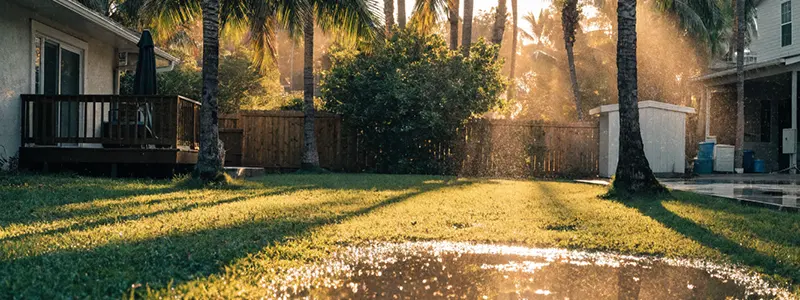
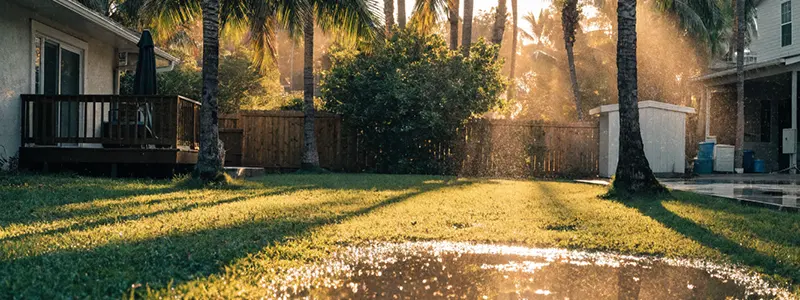
June marks the start of Tampa Bay's wet season... and with the rain comes the bugs. Three of the biggest threats to your yard and outdoor enjoyment this month are mosquitoes, chinch bugs, and sod webworms. Here's what to watch for and how to fight back.
Tampa Bay's heat and humidity create a perfect mosquito breeding ground. All it takes is a bottle cap's worth of standing water and 7–10 days to hatch a new generation. Beyond the itch, Florida mosquitoes can carry West Nile virus and Eastern Equine Encephalitis, so this is one pest you don't want to ignore.
Pro Tips:
First-time customer? SOS Turf & Pest is offering a FREE mosquito treatment for new clients in the Tampa Bay area. Call us today to...
Just complete the form below to get a pricing quote.