 (813) 404-0398


Quick Answer: Early September thunderstorms are fueling two problems for lawns across The Bay: Pythium root rot and a mosquito surge. Keep drainage areas clear, and dump out standing water every few days. Remember!... Hillsborough and Pinellas counties remain under a Modified Phase III water shortage through October 1, regardless of rain. Continue being diligent and responsible with your water usage when watering your lawn.
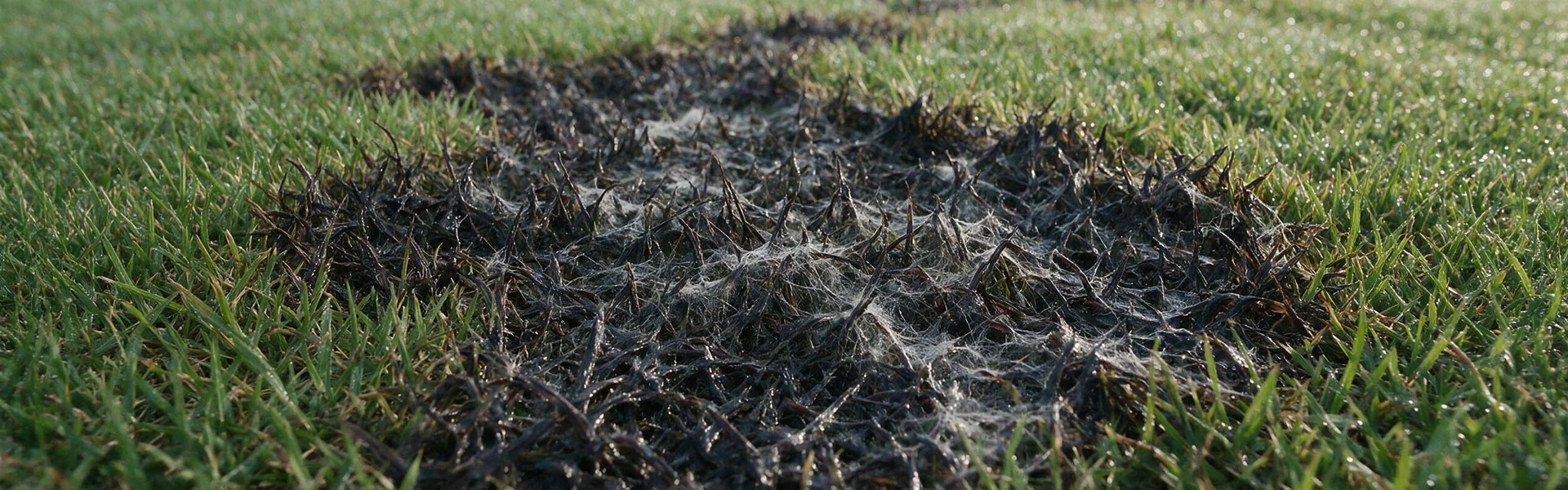
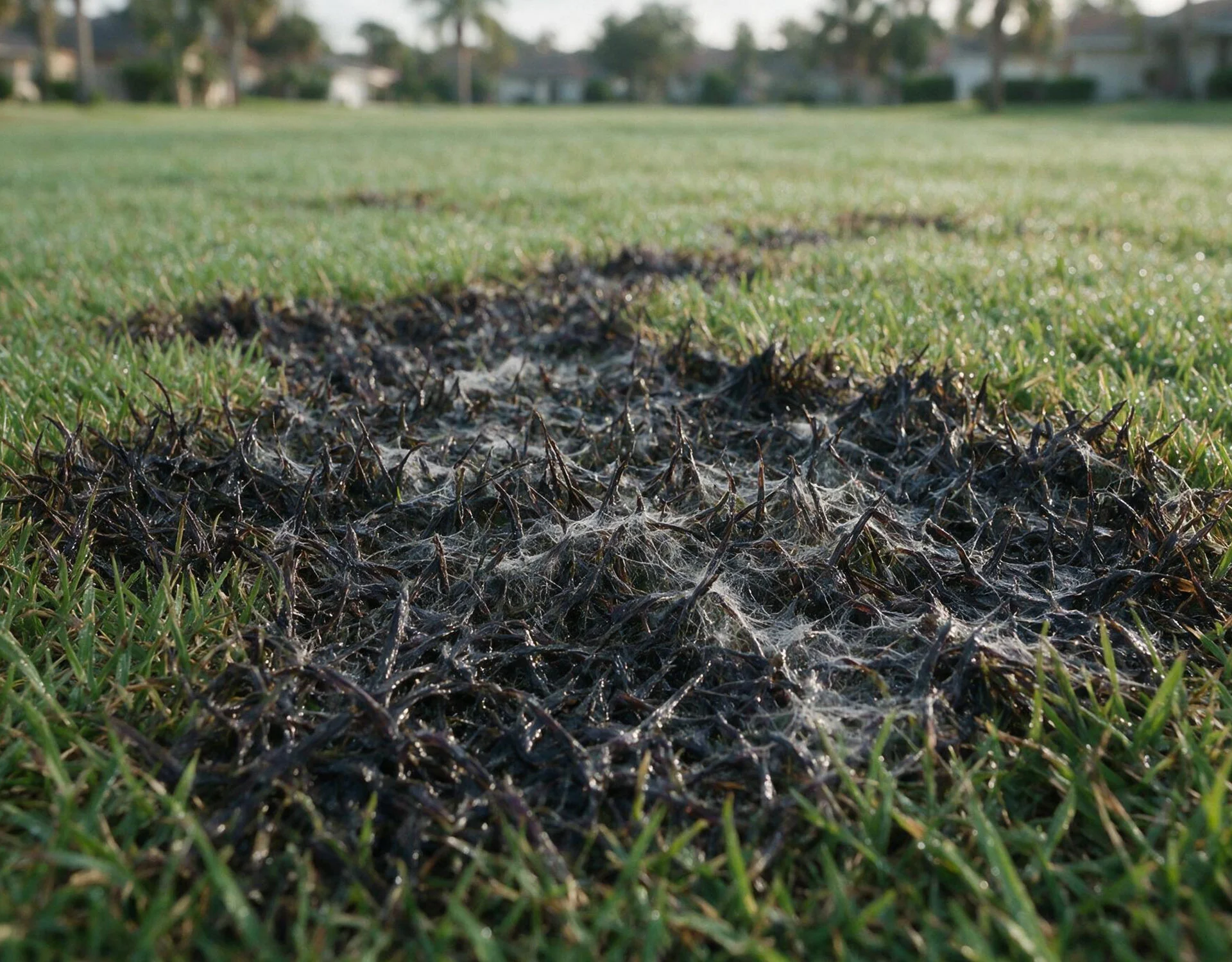
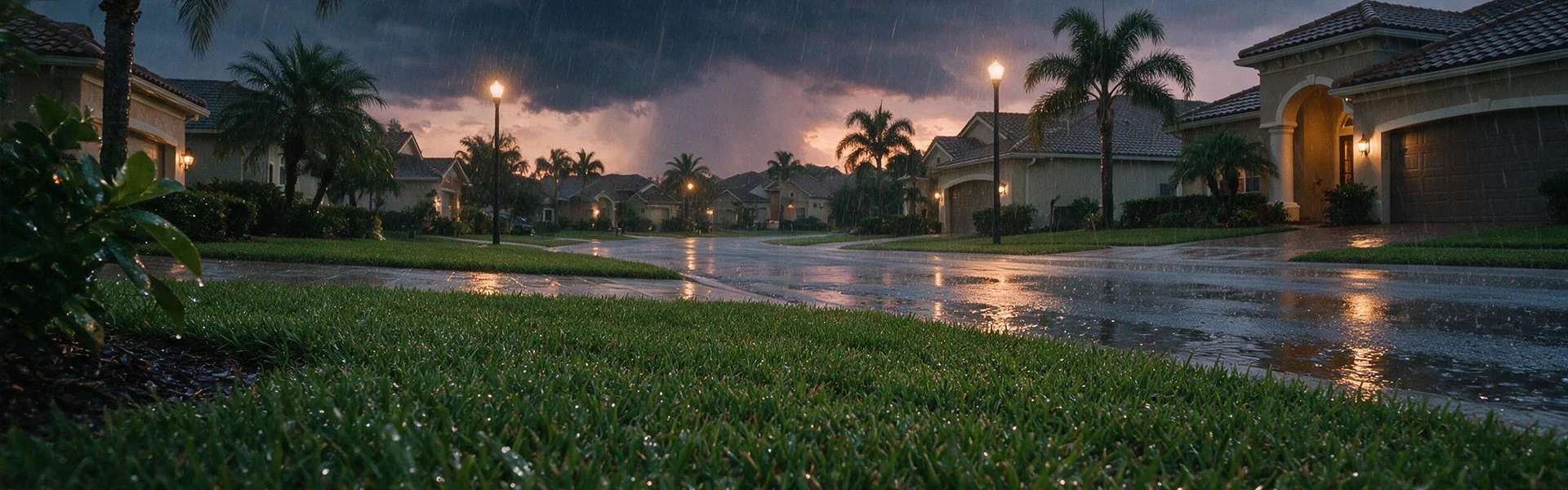
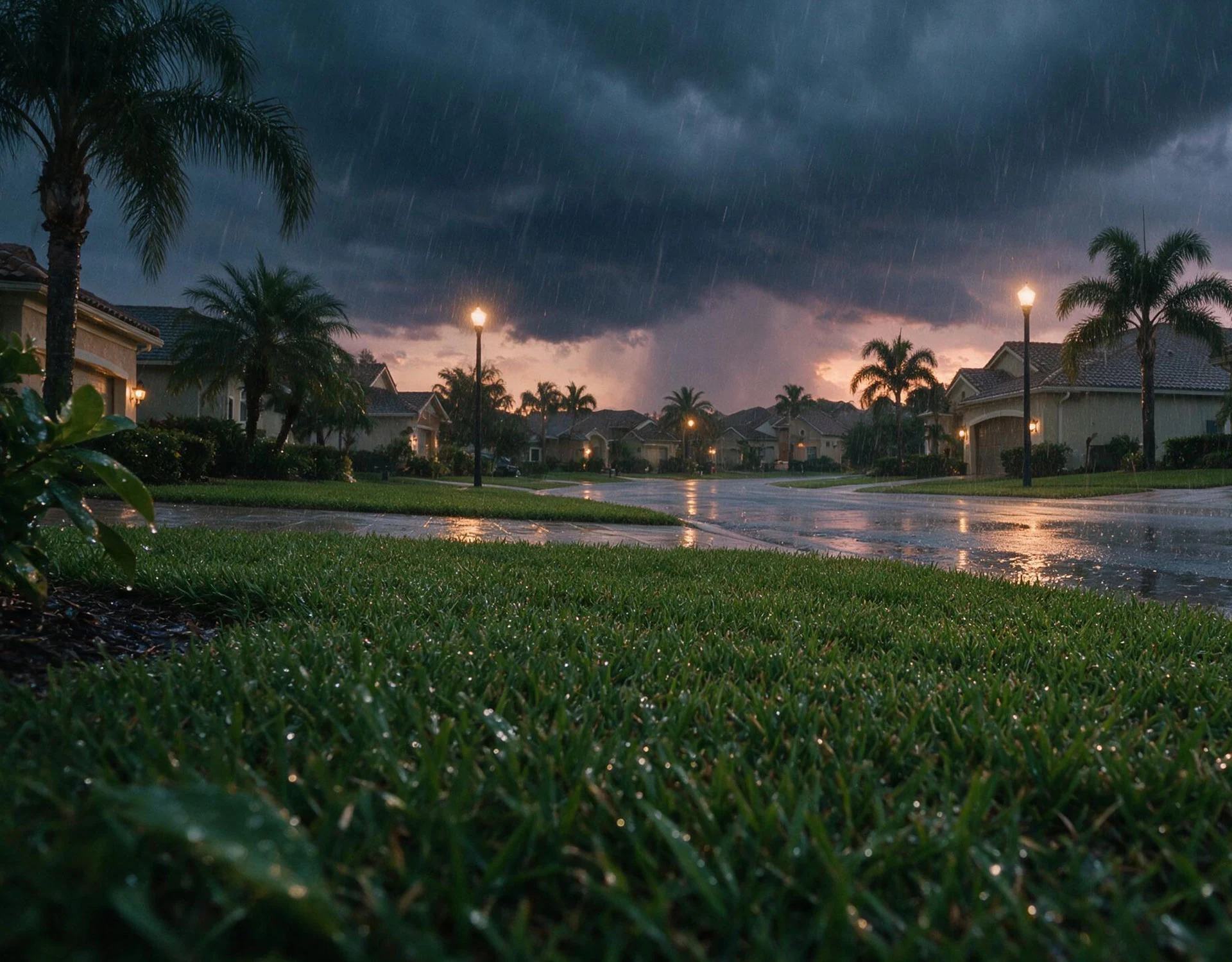
The Bay's rain is showing up in full force! With remnants of Tropical Storm Dolly pumping tropical moisture across the region right as hurricane season heads into its seasonal peak. It may seem like the drought is coming to a close, but don't mistake a wet week for drought relief: Hillsborough and Pinellas counties remain under a Modified Phase III Extreme Water Shortage through October 1, and in truth, it takes much longer sustained precipitation to replenish our area's water reservoirs... What the rain is doing, however, is fueling two problems worth watching in your yard right now.
Why Am I Seeing Slimy, Dark Patches In My Lawn After Heavy Rain?
Pythium root rot is a fast-moving fungal disease that thrives in exactly the conditions this week's storms are creating: warm, humid air and waterlogged, poorly-drained soil. Unlike drought stress, Pythium gets worse the more water sits on your lawn, and it can turn healthy turf into a slimy, matted mess in just a couple of days... especially in low-lying areas, depressions, or ditches, where water pools after heavy rain.
Signs to look for:
- Greasy, dark, matted patches that look oily or slimy when wet
- Patches spreading fast along low-lying areas and drainage paths
- Grass that mats down flat instead of standing up, even right after mowing
Pro Tips:
- Improve drainage in low-lying areas before the next storm rolls through
- Do not use nitrogen fertilizer until the outbreak clears (it feeds the fungus, not your grass)
- Mow affected areas last, and clean your mower blades afterward so you don't spread spores to the rest of your lawn
- If you need to water your lawn, do it in the early morning... not in the evening
Both of our ongoing offers are still available: a free irrigation inspection with any new service, and a free comprehensive mosquito treatment for first-time customers — timely, given what this week's rain is stirring up. Reach out to schedule either one.
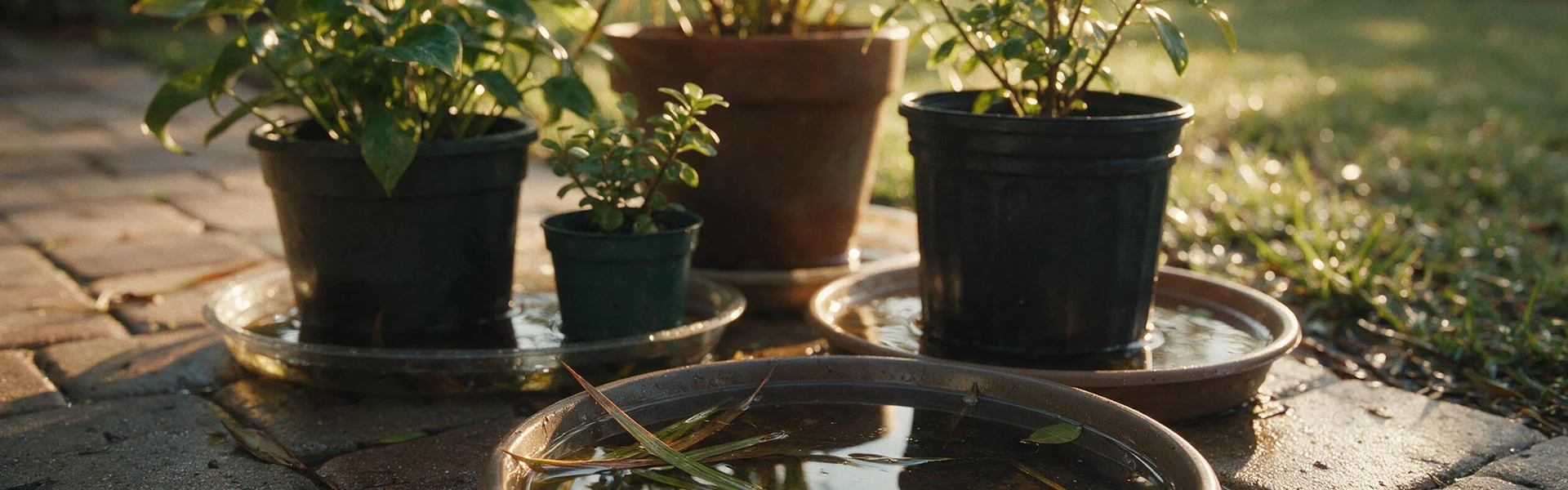
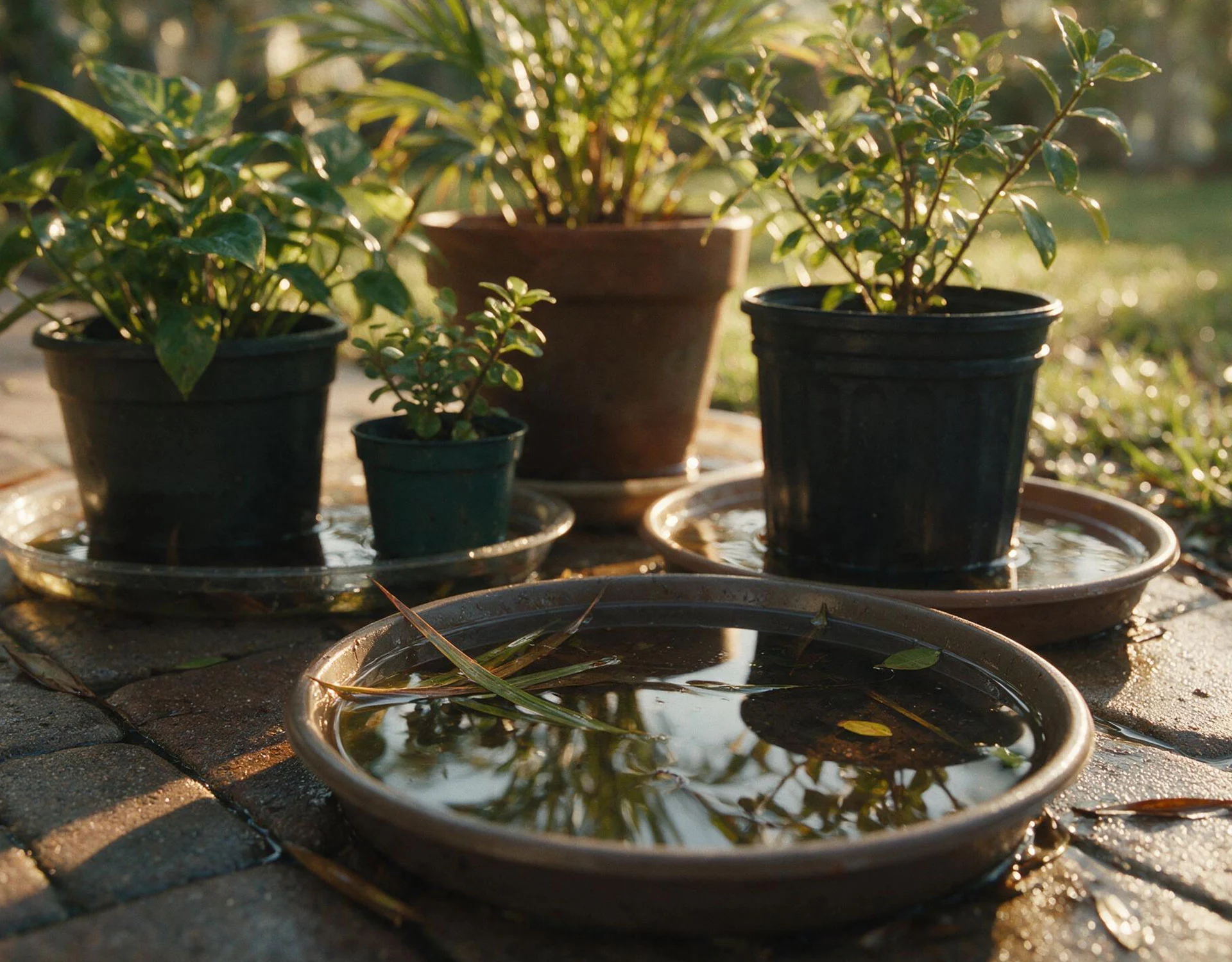
How Do I Protect My Yard Before The Next Storm Hits?
Every low-lying area, clogged gutter, or forgotten planter that collects standing water for a few days becomes a mosquito breeding ground when rains hit The Bay... and with hurricane season nearing its seasonal peak, more storms are on the way this week. Preparing today tackles both problems at once: fewer places for water to collect (and mosquitoes to grow), and a yard that's ready for the next round of wind and rain.
Signs to look for:
- Mosquito activity spiking within 2–3 days of any heavy rain
- Standing water collecting in gutters, tarps, toys, planters, or low-lying areas of your yard
- Dead, weak, or overhanging limbs that could come down during high winds
Pro Tips:
- Dump or drain standing water every 3 days (even in small containers)
- Clear gutters and drainage paths before the next storm system moves through
- Trim dead or weak limbs now, instead of after a storm brings them down
- Watch for fire ant mounds relocating to new spots after flooding (the same pattern we mentioned in August)
Frequently Asked Questions
Q: It has rained almost every day this week... Why is Hillsborough County still under water restrictions?
One wet week doesn't refill a regional reservoir. Hillsborough and Pinellas counties remain under a Modified Phase III Extreme Water Shortage through October 1, 2026 (one watering day per week with restricted hours) regardless of short term rainfall.
Q: Will more rain make Pythium root rot in my lawn worse?
Yes! Pythium spreads fastest in standing water and poorly-drained soil, so more rain without immediate drainage relief will always make it worse, not better.
Q: How soon after a storm do mosquitoes get worse?
Typically within 2 to 3 days! That's how long it takes standing water to remain deep and still enough for mosquito eggs to hatch.
Q: When does hurricane season peak in The Bay?
September 10 is statistically the most active day of the Atlantic hurricane season, making early September the best window to prepare your yard, rather than react to storm damage.
Q: Should I fertilize my lawn if I see fungus like Pythium?
No! Skip nitrogen fertilizer on an active fungal outbreak. Feeding the lawn feeds the fungus too, and can make it spread faster.
Don't Let September Storms Wreak Havoc On Your Lawn!
Between increasing rain and drought restrictions still in effect through October, September poses real risks for homeowners in The Bay. Our team of pros helps homeowners from Tampa to Parrish to Lakewood Ranch catch problems like Pythium root rot and post-storm mosquito surges before it's too late.
Get a Free Estimate For a full list of our services, click here
Comments (0)
Thanks for your comment!
Thanks for your feedback! Your comments have been successfully submitted! Please note, all comments require admin approval prior to display.
Error submitting comment!
There is a problem with your comment, please see below and try again.