 (813) 404-0398
October in Tampa Bay: Winter Lawn Prep, Large Patch & Roof Rats
? Quick Answer: October is Tampa Bay's winter prep window. The summer fertilizer ban ended September 30, so feed your lawn now with a slow-release, low-phosphorus fertilizer, watch for large patch fungus as temperatures drop below 80°F, and seal up gaps before roof rats move into your attic. Water restrictions remain in effect through March 31, 2027.
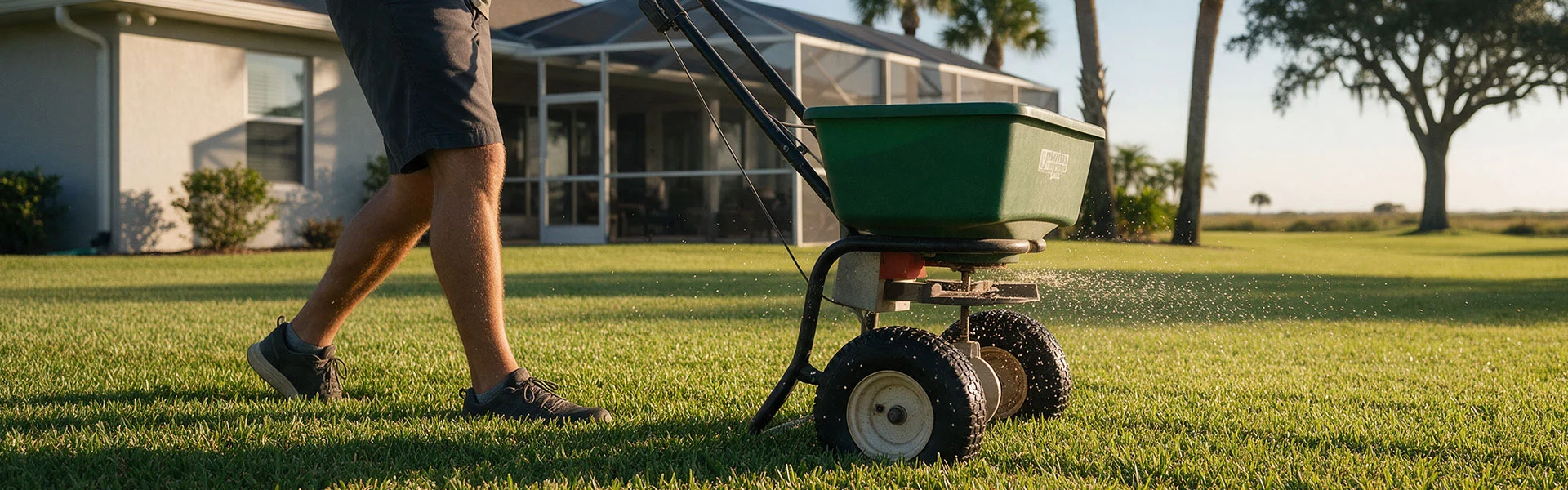
Florida winters are mild, but what you do for your lawn in October shapes how it looks come spring. Summer fertilizer restrictions in Hillsborough and Pinellas counties ended September 30; cooler nights are on the way, and the Southwest Florida Water Management District has extended its Modified Phase III Water Shortage through March 31, 2027. Here's how to get your lawn and your home ready for winter!
Should I Fertilize My Lawn Now That the Summer Ban Is Over?
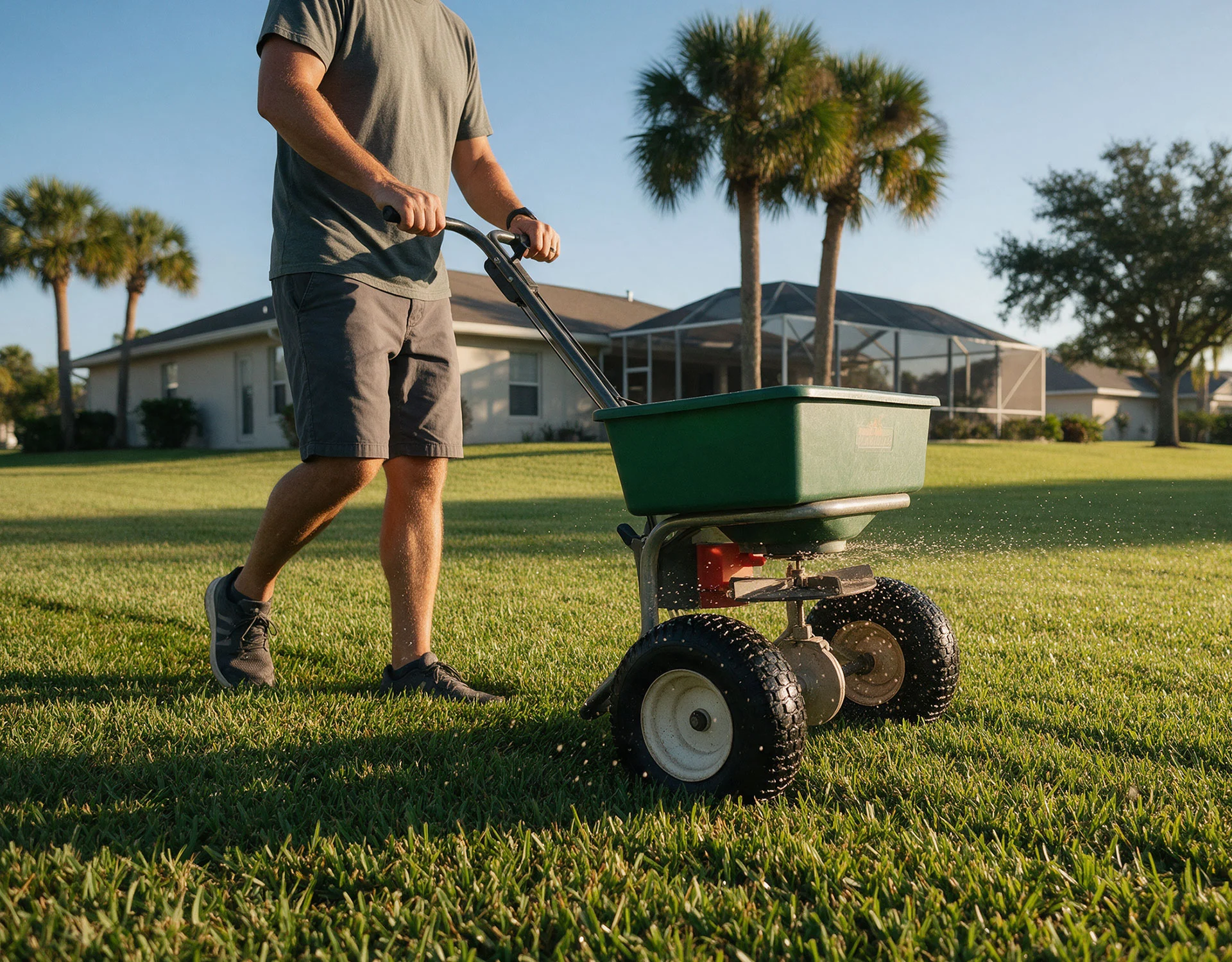
Yes, October is the window. Nitrogen and phosphorus fertilizers have been off-limits since June 1, and a fall feeding helps your grass recover from summer and store energy before growth slows for the winter. The key is taking it light and slow: too much quick-release nitrogen now pushes tender growth that's more vulnerable to fall disease.
Signs to look for:
- Pale or yellowing color across the whole lawn, not just in patches (patches usually point to pests or disease)
- Thin areas left behind by summer drought stress
- Weeds filling in wherever the grass has thinned out
Pro Tips:
- Use a slow-release fertilizer with little or no phosphorus (UF/IFAS suggests a 2:1 nitrogen-to-potassium blend like 16-0-8)
- Skip 'weed and feed' products this time of year (UF/IFAS recommends a straight fertilizer instead)
- Get your last application down by mid-November, then let the lawn rest until spring
Both of our ongoing offers are still available: a free irrigation inspection with any new service... a smart move with restrictions now extended through March... and a free comprehensive mosquito treatment for first-time customers. Reach out to schedule either one.
What Are These Brown Circles Showing Up in My Lawn This Fall?
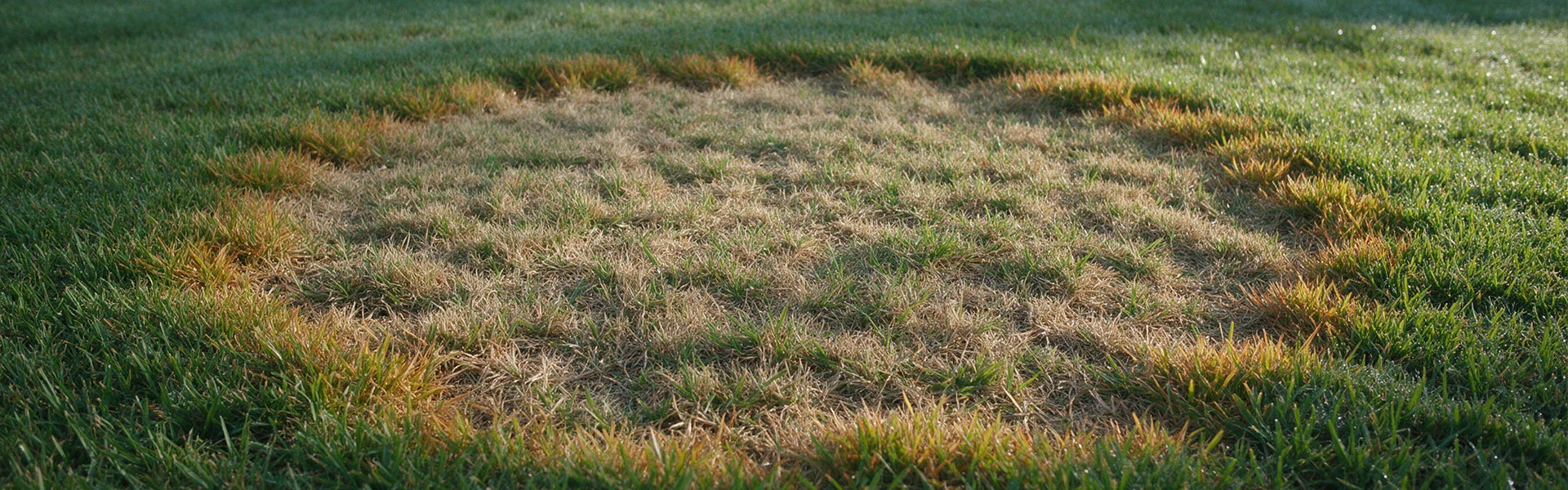
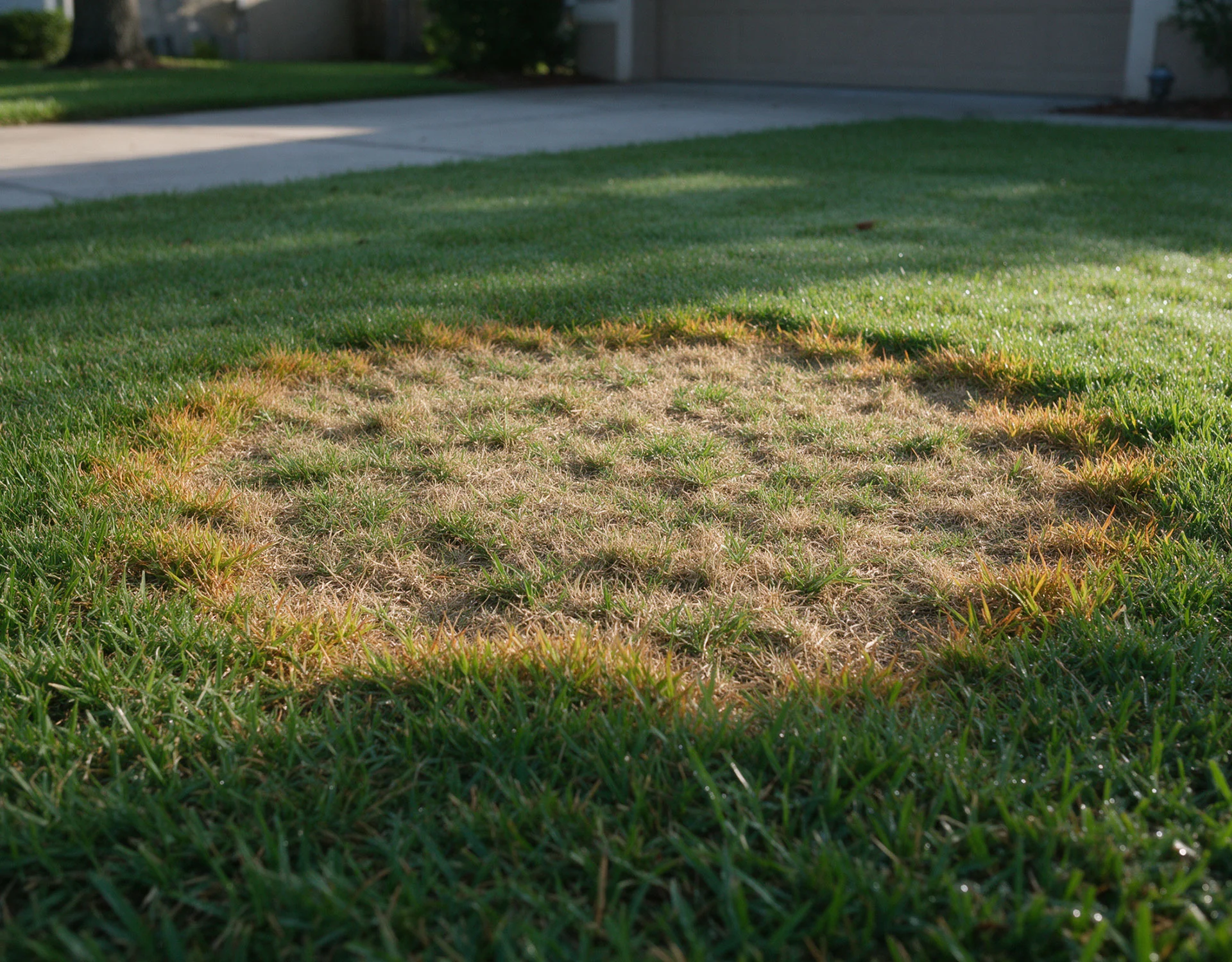
Once temperatures dip below 80°F, large patch fungus wakes up across the Bay. It's Florida's most common cool-season lawn disease, hits St. Augustine and zoysia hardest, and usually stays active from November through May. Patches that appear in fall often linger all winter because the grass is growing too slowly to fill them back in, so prevention beats cure.
Signs to look for:
- Circular brown or straw-colored patches that grow outward over time
- A darker, orange-tinted ring around the edge of the patch
- Grass blades that pull easily off the stem, with a rotted base
Pro Tips:
- If large patch fungus hit your lawn last year, schedule a preventive fungicide treatment this month, before symptoms show
- Cut back irrigation as it cools (UF/IFAS suggests every 10 to 14 days in fall and winter, on your assigned watering day)
- Go easy on nitrogen... heavy feeding fuels large patch
Why Am I Hearing Scratching in My Attic This Time of Year?
Roof rats are notorious climbers. They nest off the ground in attics, palm trees, and dense shrubs, and they can squeeze through a gap just half an inch wide. As Tampa Bay heads into its cooler months, a warm attic is an easy upgrade... and fruit trees, pet food, and bird feeders keep them close by.
Signs to look for:
- Scratching or scurrying overhead, especially at night
- Hollowed-out citrus still hanging on the tree, or gnawed fruit on the ground
- Droppings in the attic, garage, or along fence and utility lines
Pro Tips:
- Seal gaps around roof vents, pipes, eaves, and A/C lines with hardware cloth or sheet metal
- Trim palm fronds and tree limbs back from your roofline
- Pick up fallen fruit and bring pet food inside at night
Frequently Asked Questions
Q: Are Tampa Bay's watering restrictions over now that it's October?
No. The Southwest Florida Water Management District extended its Modified Phase III Extreme Water Shortage through March 31, 2027. Most homes can still water just one assigned day per week, during restricted hours based on your address.
Q: When does the summer fertilizer ban end in Hillsborough and Pinellas?
September 30. Nitrogen and phosphorus fertilizers are allowed again starting October 1, and UF/IFAS Hillsborough Extension recommends making your last application of the year by mid-November.
Q: When should I apply pre-emergent for winter weeds in Tampa Bay?
October, before weeds like annual bluegrass, chickweed, and henbit sprout. Pre-emergents only stop seeds from germinating. They won't touch weeds that are already up.
Q: Does my Florida lawn need less water in winter?
Yes. Growth slows as temperatures drop, so UF/IFAS suggests watering every 10 to 14 days through fall and winter, and skipping it entirely after a good rain.
Q: Is large patch the same thing as brown patch?
Close! Both are caused by the same Rhizoctonia fungus. On Florida's warm-season grasses like St. Augustine and zoysia, the disease is called large patch; 'brown patch' is the name used on cool-season grasses.
Set Your Lawn Up for Spring, Starting Now
A mild Florida winter doesn't mean your lawn takes the season off. SOS Turf & Pest helps homeowners from Tampa to Parrish to Lakewood Ranch time their fall feeding, head off large patch fungus, and keep rodents out of the attic before winter settles in.
Get a Free Estimate For a full list of our services, click here
Comments (0)
Thanks for your comment!
Thanks for your feedback! Your comments have been successfully submitted! Please note, all comments require admin approval prior to display.
Error submitting comment!
There is a problem with your comment, please see below and try again.